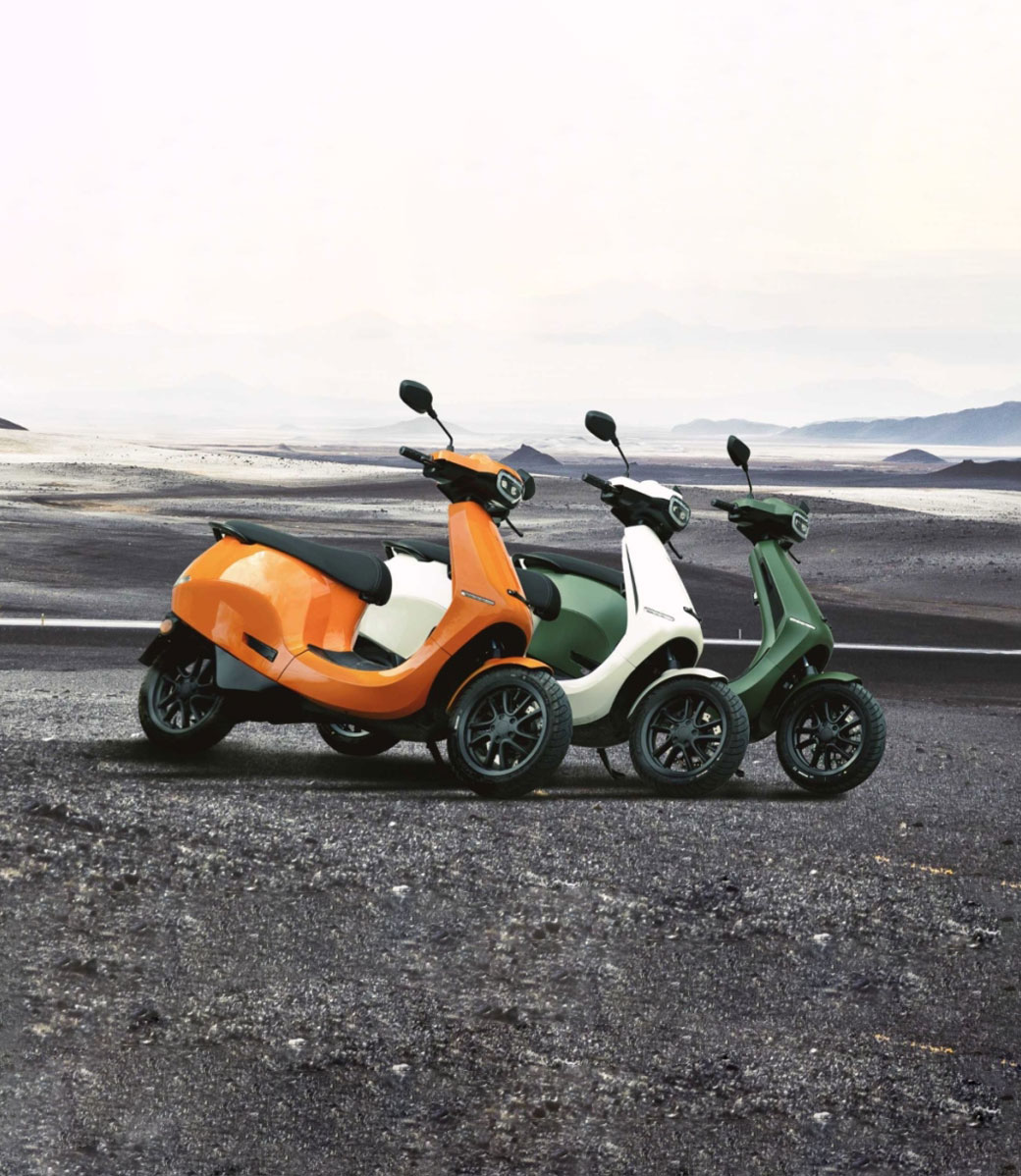
Electric two-wheelers “ वेग ”
“वेग” is energy-efficient and cost-effective. It require less maintenance and have lower operating costs compared to other electric two-wheelers and thus are affordable and pocket-friendly in comparison to other EVs.
“वेग” produce zero emission and reduce the carbon footprint of the user. “वेग “ is energy-efficient and do not produce harmful pollutants making them an environment-friendly option.
“वेग” tend to have better acceleration torque and handling.
“वेग” is much quieter compared to other two-wheelers making them ideal for neighbourhoods and urban areas.
“वेग” typically lightweight and have a small turning radius making them easy to maneuver in congested traffic busy streets and narrow alleyways.
“वेग” have fewer moving parts in comparison to their petrol-powered counterparts making maintenance easier and more hassle-free.
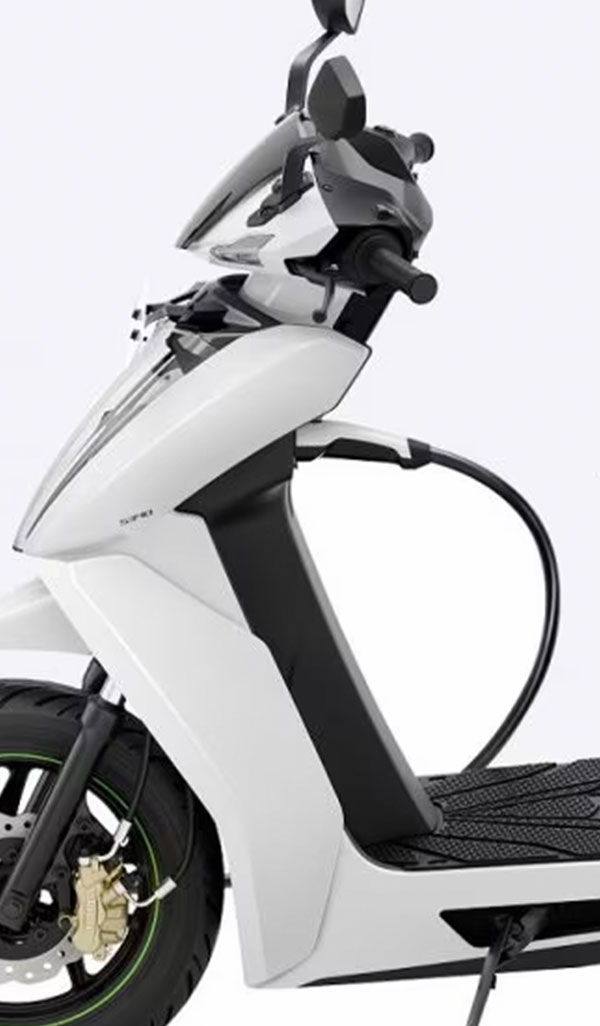
“वेग” can be recharged using any standard electrical outlet. This makes it convenient for users to recharge their vehicles quickly and efficiently without the need to visit a gas station.
“वेग” is easy to charge with a regular power outlet at home or even at a charging station making them more convenient to use.
With their higher efficiency “वेग “ can cover longer distances with comparison to other two-wheelers.
“वेग” have fewer chances of catching fire than its counterparts. They also have regenerative braking that helps in reducing the stopping distance making them safer to ride.
An Electric Vehicle (EV) and an Internal Combustion Engine Vehicle
The primary differences between an electric vehicle (EV) and an internal combustion engine vehicle (ICEV) lie in their power sources, propulsion systems, and overall operation:
EVs are powered by electricity stored in rechargeable batteries. The battery pack provides the energy to run the electric motor, which drives the wheels and propels the vehicle. ICEVs, on the other hand, are powered by internal combustion engines that burn fossil fuels such as gasoline or diesel. The engine generates power, which is transferred to the wheels via a transmission system.
One of the significant distinctions between EVs and ICEVs is their environmental impact. EVs produce zero tailpipe emissions since they do not burn fossil fuels directly. They do not emit pollutants such as carbon dioxide (CO2), nitrogen oxides (NOx), or particulate matter during operation. In contrast, ICEVs emit exhaust gases and pollutants into the atmosphere, contributing to air pollution and greenhouse gas emissions.
EVs require charging from an external power source to replenish their battery energy. This can be done at home using a charging station or a standard electrical outlet, or at public charging stations. Charging times vary depending on the charging method and the vehicle’s battery capacity. ICEVs are refueled at gas stations, where gasoline or diesel fuel is pumped into the vehicle’s fuel tank. Refueling times are relatively fast, typically taking a few minutes.
EVs typically have a limited range on a single charge, which depends on factors such as battery capacity, driving conditions, and vehicle efficiency. The range can vary from around 100 miles to over 300 miles, depending on the model. ICEVs, on the other hand, generally offer a longer driving range on a full tank of fuel, often exceeding 300 miles.
EVs often offer instant torque, providing quick acceleration and responsive performance. Electric motors deliver maximum torque from the start, resulting in smooth and immediate power delivery. ICEVs may take some time to reach their peak torque and power levels, depending on the engine’s design and operating characteristics.
EVs tend to have lower maintenance requirements compared to ICEVs. Electric motors have fewer moving parts and require less frequent servicing. They do not require oil changes, spark plug replacements, or timing belt adjustments associated with internal combustion engines. However, EVs do require battery maintenance, such as monitoring and managing the battery’s health over time.
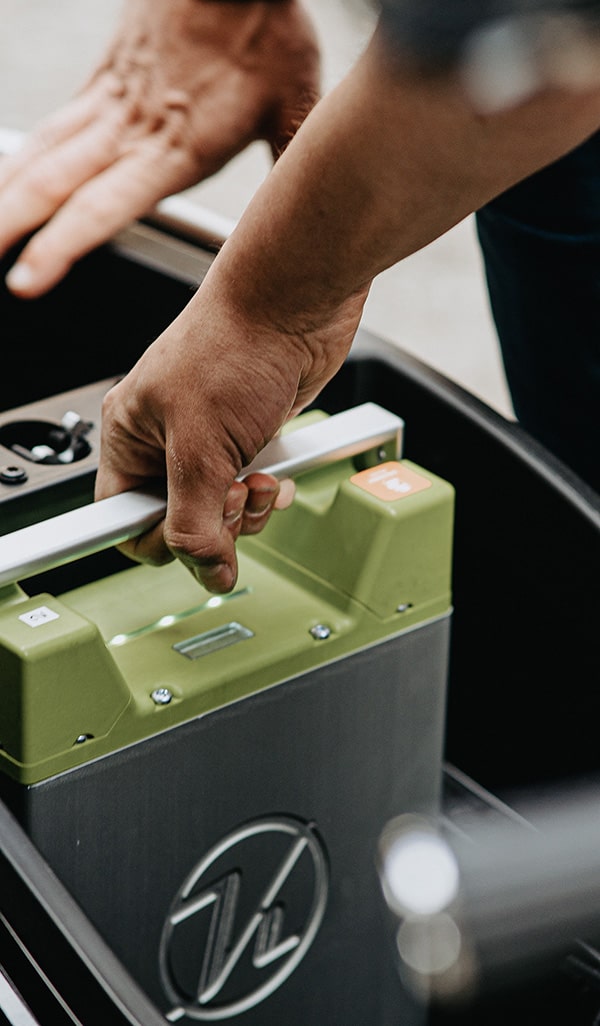
Battery Replacement Solutions
Easy Take Out
Locking Mechanism
123 Ah / Hr Charging
Fast Charging Solutions
Lorem ipsum dolor sit amet, consectetur adipiscing elit, sed do eiusmod tempor incididunt ut labore et dolore magna aliqua.
Lorem ipsum dolor sit amet, consectetur adipiscing elit, sed do eiusmod tempor incididunt ut labore et dolore magna aliqua.